Moving to Concord: A Buyer's Field Guide
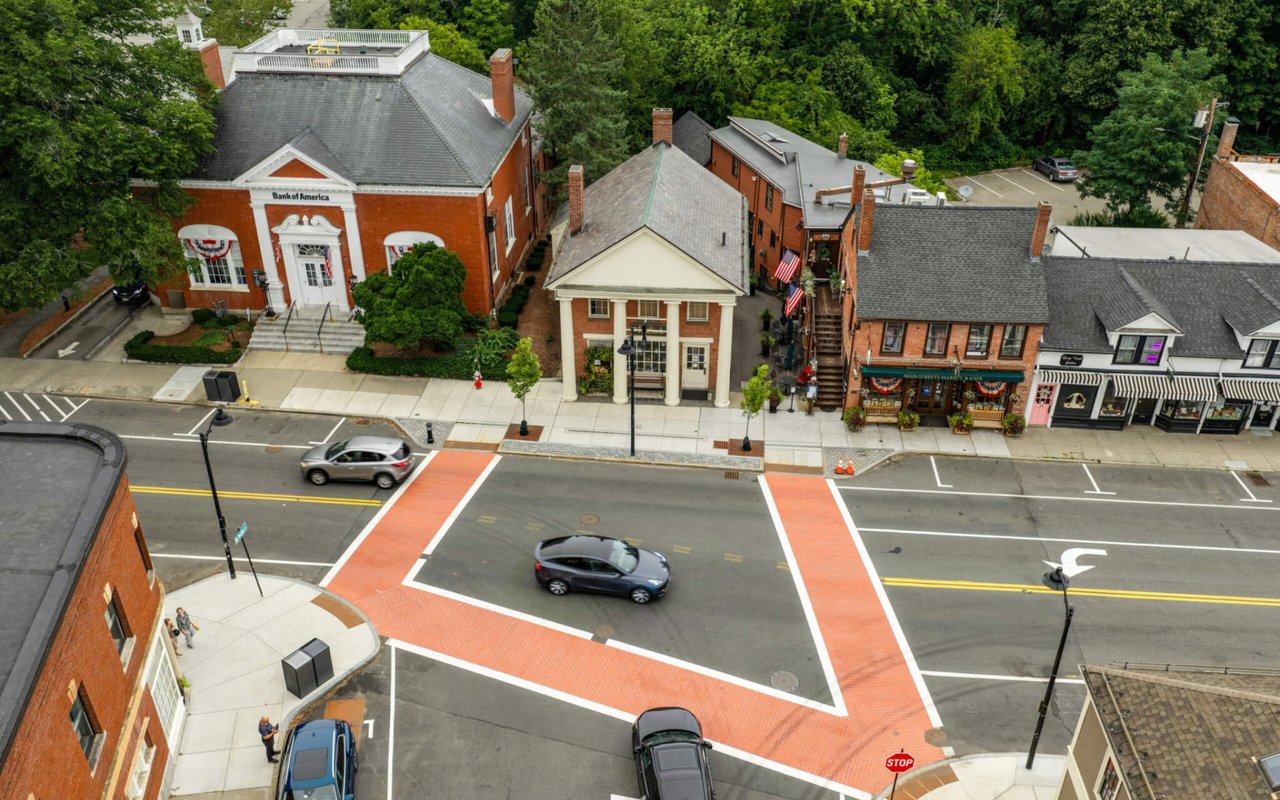
From the historic New England charm, to the strong sense of community, it’s easy to see why many home buyers fall in love with the beautiful town of Concord, Massachusetts. Concord has a rich history, beginning with its incorporation in 1635. It played a central role in the opening battle of the American Revolution, and Louisa May Alcott, Ralph Waldo Emerson, Nathaniel Hawthorne, and Henry David Thoreau all have connections to Concord. Concord is also home to Walden Pond and the Old North Bridge.
If you’re relocating or are new to the area, here are a few aspects of Concord that may be helpful to know: Concord has two village centers: Concord Center and West Concord. Boston and surrounding employment centers can be easily accessed via Route 2 and two commuter rail stations. Additionally, residents enjoy countless beautiful trails, more than 1,500 acres of town-managed conservation land, and plenty of outdoor recreation.
House hunting can feel overwhelming, but with the right support it doesn’t have to be. Here are a few of our top tips for home buyers as you evaluate whether a home is the right fit for you:
Drive the roads at different times to check traffic, noise, and commute patterns.
Visit frequently traveled roads such as Lexington Road, Lowell Road, Sudbury Road, and Main Street during school drop-off and rush hour. This will give you a more accurate picture of traffic, road noise, vehicle speeds, driveway access, and how long everyday trips may take.
Explore both Concord Center and West Concord to compare their different personalities and amenities.
Concord Center offers a historic, classic New England setting with cultural landmarks, boutiques, and restaurants, while West Concord has a more casual, creative village atmosphere with independent businesses, commuter rail access, and the Bruce Freeman Rail Trail. Exploring both will help you determine which setting best complements your daily routine and preferred lifestyle.
Test your real commute, including the drive to Route 2 or the nearest commuter rail station.
If you plan to use the commuter rail, test the route to either the Concord or West Concord station, including parking and the walk from your car to the platform.
Walk around each neighborhood to assess sidewalks, traffic, trails, privacy, and proximity to town.
Check whether you can easily reach places such as the Bruce Freeman Rail Trail, Reformatory Branch Trail, Great Meadows, or nearby conservation land.
Visit the places you would use regularly, such as coffee shops, grocery stores, playgrounds, and recreation areas.
Stop for coffee at Haute Coffee or visit the shops in Concord Center, explore West Concord’s restaurants and businesses, pick up groceries at Crosby’s Marketplace or Debra’s Natural Gourmet, and visit a nearby playground or recreation area. Experiencing an ordinary day in town can tell you as much as touring the house.
These are important things to investigate when considering whether a particular home works for your lifestyle beyond bedrooms, bathrooms, and other information you can find in the listing alone.
Aside from lifestyle considerations, the following factors may also impact your home buying plans and should also be looked into:
Double yellow line streets may signal a commonly traveled road.
Check traffic, speed, noise, and driveway access. For example, homes on roads such as Lexington Road or Lowell Road should be visited at different times of day to evaluate traffic, noise, speed, and driveway visibility.
Historic-district rules may affect exterior renovations.
For example, Concord’s historic home guidelines require you to gain approval on any visible changes to exterior paint colors, windows, roofing, fences, walkways, lighting, or additions. If you’re looking at homes in areas such as Concord’s Monument Square/North Bridge, American Mile, Main Street, and Barrett Farm historic districts, you may need to go through the Historic District Commission to make any improvements.
Wetlands, flood zones, and conservation restrictions can limit future improvements.
Concord’s three rivers, the Concord, Sudbury, and Assabet, along with Mill Brook, certified vernal pools, and extensive conservation land, can create additional permitting requirements. Properties near areas such as Great Meadows or White Pond may face restrictions on additions, pools, decks, sheds, grading, landscaping, or tree removal.
Older homes may require closer attention to electrical, plumbing, insulation, foundations, heating, and moisture.
Antique and early-20th-century properties are especially common around Concord Center, Monument Street, Lexington Road, and Main Street. Look carefully at electrical capacity, plumbing, insulation, fieldstone foundations, heating systems, roofs, drainage, and basement moisture. Also verify that previous renovations and additions were properly permitted.
Properties have different utility arrangements in Concord, so verify whether the individual home has public or private water and municipal sewer or septic.
Many homes in Concord are on septic systems and it’s nothing to be afraid of, just keep in mind that septic capacity and the location of the tank and leaching area can potentially affect future additions or bedroom counts.
Concord has a municipal fiber-optic network, but service should still be confirmed for the exact address.
This is particularly important for properties in private developments, areas with underground utilities, or more remote parts of town.
Never assume an addition, pool, or renovation is possible without checking zoning and property restrictions.
A property near Mill Brook or one of Concord’s rivers may have limited buildable space because of wetland buffers. A historic-district property may require design approval, while a septic property may need sufficient system capacity and suitable land before living space can be expanded.
If you’re unsure whether any of these items apply to a specific property, feel free to reach out! We have worked in this community for years and are always happy to help.
Once we’ve identified some properties that could be a great fit, the next step is to go tour some homes and the surrounding areas. While these house hunting days are fully customizable, here’s an example of what this could look like:
8:00 am
Breakfast and coffee at Haute Coffee in Concord Center
9:00 am
Walk through Concord Center
9:30 am
Tour homes near the center
11:00 am
Test the commute or visit the train station
12:00 pm
Lunch and a walk through West Concord
1:30 pm
Tour homes in West Concord and surrounding neighborhoods
3:30 pm
Visit Walden Pond, the Old North Bridge, or a local trail - great for if you are house hunting with kids!
4:30 pm
Revisit a favorite home or neighborhood during afternoon traffic
5:30 pm
Review the day and next steps with Elizabeth Bain Homes
If you’re planning a move to Concord, it’s important to choose both the right home and the part of Concord that works best for your needs. Our team at Elizabeth Bain Homes is here to guide you through your home buying journey from start to finish, and be a local resource who can help you evaluate properties, neighborhoods, and market conditions.
Contact us today to schedule your personalized Concord house-hunting tour!
Stay up to date on the latest real estate trends.
EB Home Buying Guide
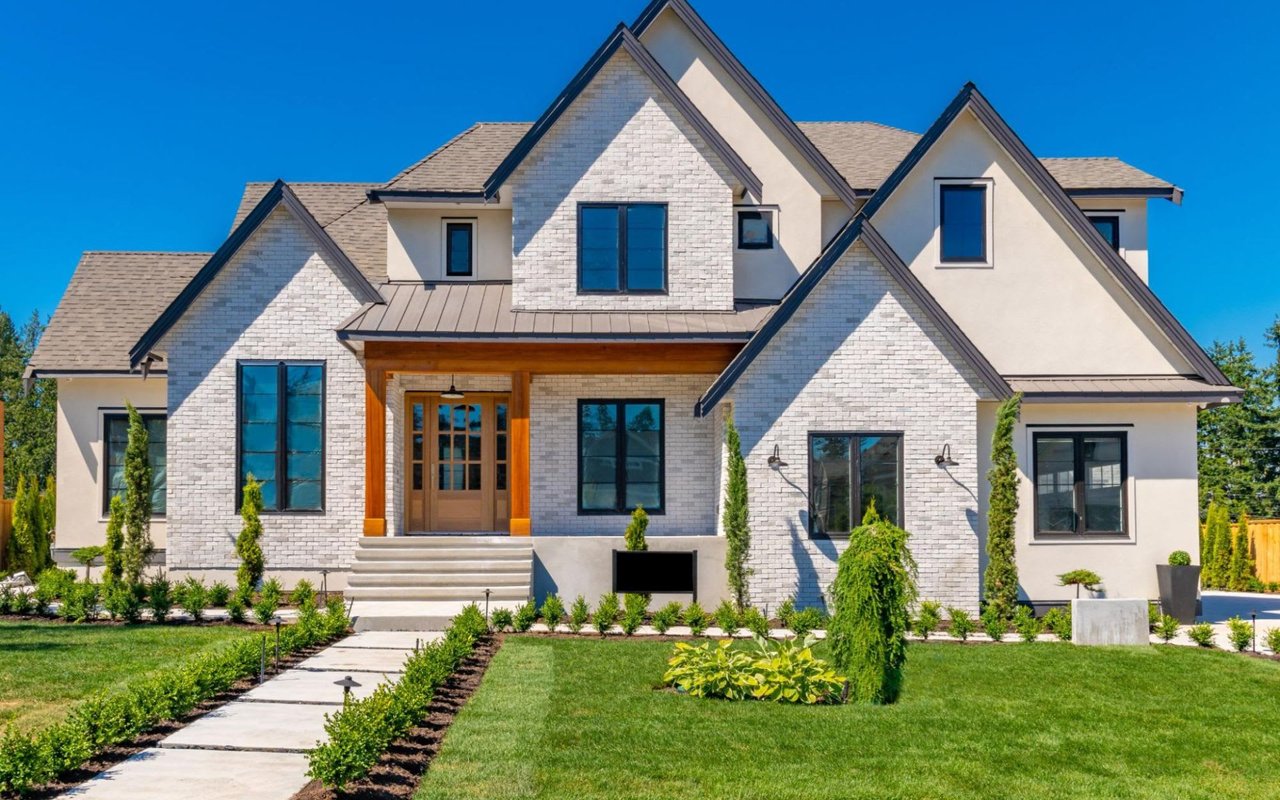
An expert guide on preparing your house for the winter months.
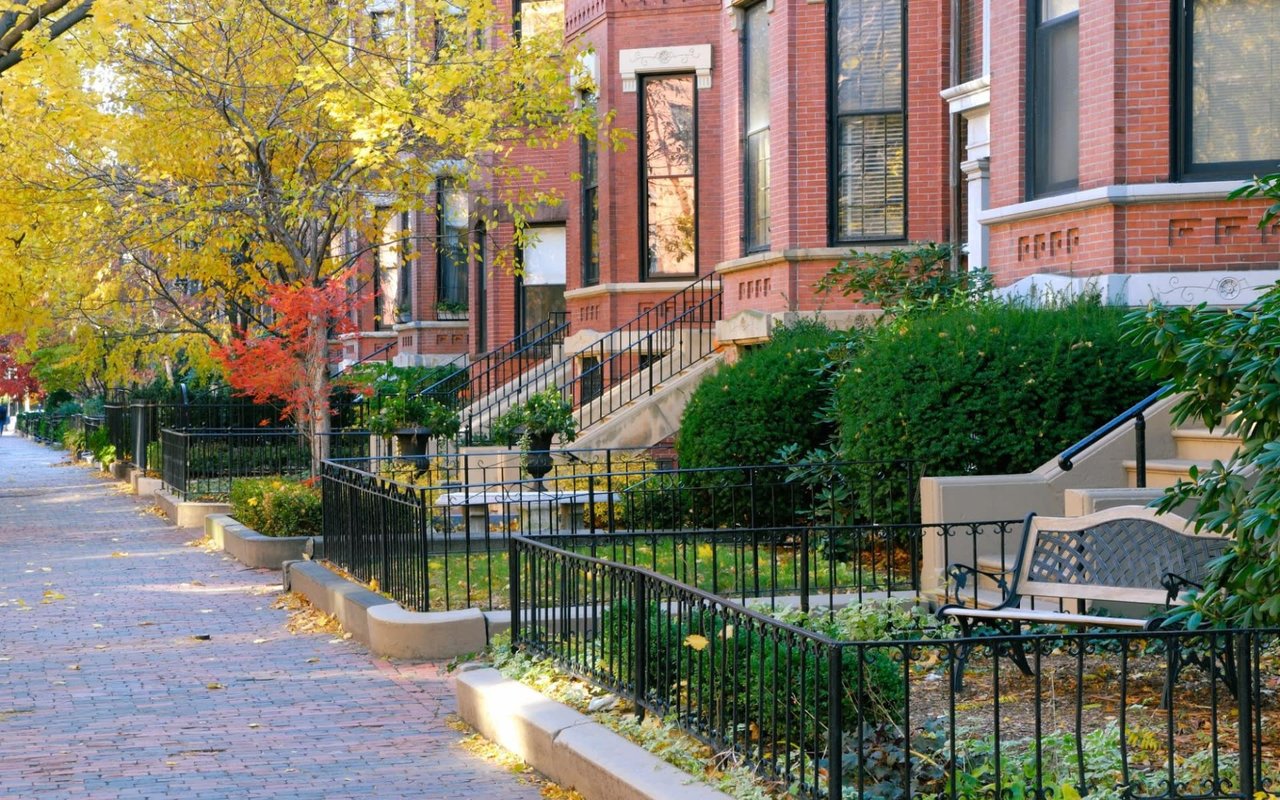
Expert agent Elizabeth Bain explores the best reasons to live in this historic city.
Boost your home’s value with these tips.

Everything you need to know about getting your home ready for listing and showings.

How to discover some of the most famous landmarks in Boston.

Learn Elizabeth Bain’s top secrets for selling property in Newton, MA.

The importance of generating buzz to get the best deal for your Newton property.

Primary phone
(508) 954-1935Address
10 Lincoln St.,Whether you are looking for a new home or thinking about selling your current home, call me today. I will put my expertise to work to provide you guidance and advice on what you need to know to make the best possible decision for your real estate needs.